





Composting at home is a rewarding way to reduce waste and create nutrient-rich soil for your garden. If you’re new to composting, it might seem a bit overwhelming at first, but with a few basic tips, you can easily get started and enjoy the benefits. This guide will walk you through beginner-friendly steps to set up and maintain your compost bin.
What Is Composting?
Composting is the natural process of recycling organic material such as kitchen scraps and yard waste into a rich soil amendment called compost. Compost improves soil health by providing nutrients and enhancing moisture retention, which helps your plants thrive.
Why Compost at Home?
– Reduce waste: Composting diverts food scraps and garden waste from landfills, reducing methane emissions.
– Save money: Compost reduces the need for chemical fertilizers and soil conditioners.
– Improve garden health: It adds valuable nutrients and improves soil structure.
– Help the environment: Composting supports sustainable gardening and reduces your carbon footprint.
Getting Started: What You Need
Choose a Compost Bin or Pile
You can compost in many ways:
– Compost bin: A container designed for composting, available in plastic or wooden forms. Great for smaller spaces.
– Compost tumbler: A rotating bin that makes mixing easy and speeds up decomposition.
– Compost pile: A simple heap in your backyard if you have enough space.
Make sure your compost area is convenient and has good drainage.
Location Matters
Place your compost bin or pile somewhere:
– With partial sunlight to warm the pile.
– Away from your house, to avoid odors and pests.
– On bare soil or grass to allow worms and microorganisms to enter.
What to Compost: Browns and Greens
Successful composting depends on balancing two key ingredients:
Greens (Nitrogen-rich materials)
These are moist and rich in nitrogen. Examples:
– Fruit and vegetable scraps
– Coffee grounds and tea bags
– Fresh grass clippings
– Green leaves
Browns (Carbon-rich materials)
These provide carbon and help create air pockets. Examples:
– Dry leaves
– Straw and hay
– Shredded cardboard and paper
– Wood chips and sawdust (untreated)
Composting Tips for Beginners
1. Balance Browns and Greens
Aim for roughly a 3:1 ratio of browns to greens. Too many greens can make your compost smelly; too many browns slow decomposition.
2. Chop or Shred Materials
Smaller pieces break down faster. Chop large scraps and shred leaves or cardboard before adding them.
3. Keep It Moist
Your compost should feel like a damp sponge—not too wet or dry. Add water during dry spells and cover if it rains excessively.
4. Turn Your Pile Regularly
Aeration speeds up composting by supplying oxygen. Use a pitchfork or compost aerator to mix your pile every 1-2 weeks.
5. Avoid Adding These Items
– Meat, dairy, and oily foods (attract pests)
– Diseased plants or weeds with seeds (may spread problems)
– Pet waste (can contain harmful pathogens)
– Treated wood or synthetic materials
How Long Does Composting Take?
With regular turning and balanced ingredients, compost can be ready in 2-4 months. In cooler or less managed piles, it may take 6 months or more.
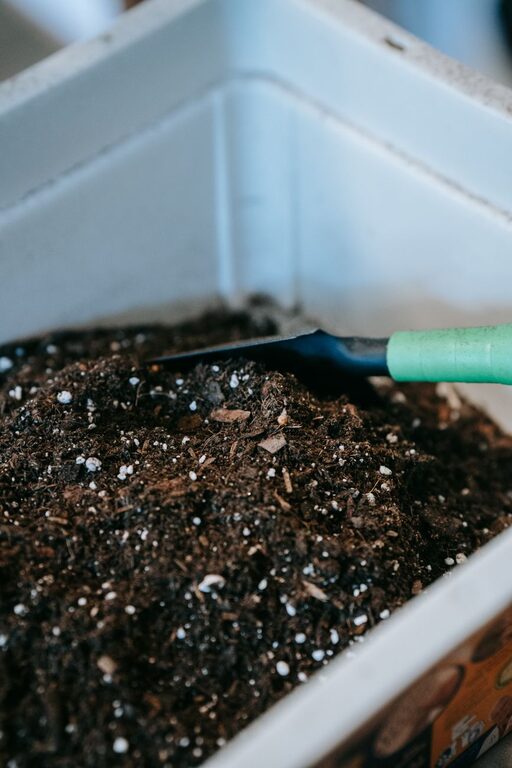
You’ll know it’s ready when the material looks dark, crumbly, and earthy-smelling.
Using Your Finished Compost
– Mix into garden beds to improve soil texture and fertility.
– Use as mulch around plants to retain moisture.
– Add to potting mixes for container plants.
Troubleshooting Common Problems
| Problem | Possible Cause | Solution |
|—————————–|——————————-|——————————————-|
| Compost smells bad | Too many greens or wet | Add more browns, turn pile, aerate |
| Compost attracts pests | Food scraps like meat/dairy | Remove such items, cover pile |
| Compost is too dry | Not enough moisture | Water the pile, cover to retain moisture |
| Compost decomposes slowly | Lack of oxygen or unbalanced ingredients | Turn pile, add more greens or browns as needed |
Final Thoughts
Starting a home compost pile is simple and rewarding. By balancing greens and browns, keeping your pile moist and aerated, and avoiding unwanted materials, you’ll create rich compost to enhance your garden naturally.
Give composting a try and watch your kitchen scraps and garden waste transform into “black gold” that benefits your plants and the planet.
Happy composting!