





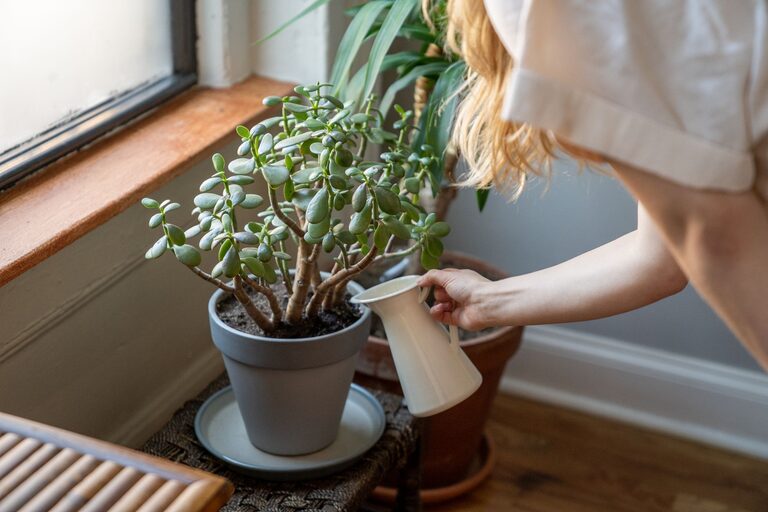
Bringing houseplants into your home can brighten your space, improve air quality, and boost your mood. However, maintaining healthy houseplants requires a bit of knowledge and consistent care. Whether you’re a beginner or an experienced plant lover, these tips will help you keep your indoor greenery thriving.
Understanding Your Houseplants’ Needs
Every plant species has unique needs, but a few basic factors apply to all houseplants:
Light
Plants require light for photosynthesis, which fuels their growth. Assess the lighting in your home and choose plants suited to those conditions.
– Bright light: Succulents and cacti thrive near south or west-facing windows.
– Medium light: Spider plants and pothos do well in indirect light or east-facing windows.
– Low light: Snake plants and ZZ plants tolerate shade and darker corners.
Rotate your plants regularly to ensure even light exposure and prevent them from leaning toward a window.
Water
Overwatering is a common mistake. Most houseplants prefer their soil to dry out slightly between waterings.
– Check soil moisture by sticking your finger about an inch deep.
– Water only when the top inch feels dry.
– Make sure pots have drainage holes to prevent waterlogging.
Some plants, like ferns, prefer consistently moist soil, so adjust watering habits accordingly.
Temperature and Humidity
Most houseplants thrive in temperatures between 65-75°F (18-24°C). Avoid placing plants near drafts, heating vents, or air conditioners.
Humidity is especially important for tropical plants. To increase humidity:
– Group plants together.
– Use a humidifier.
– Place plants on trays filled with water and pebbles.
Soil and Fertilization
Choosing the Right Soil
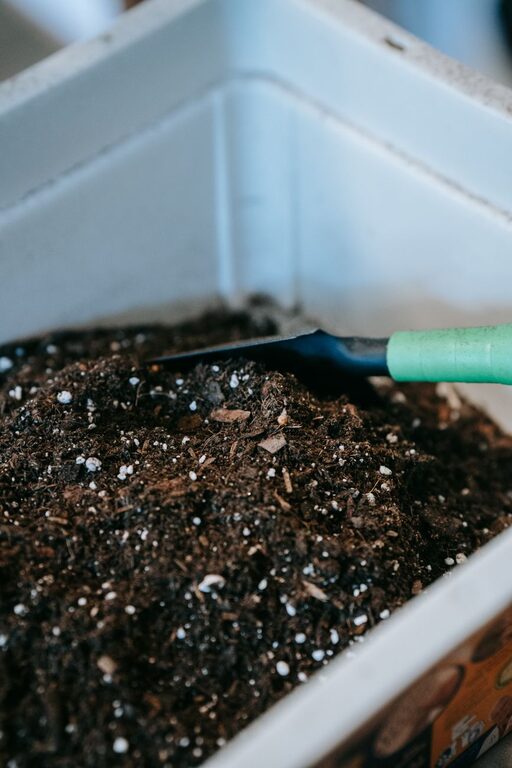
Use well-draining potting mix specific to your plant type. For example:
– Succulents and cacti require sandy, gritty soil.
– Tropical plants prefer rich, moisture-retentive soil.
Avoid garden soil, which can be too dense and contain pests or diseases.
Feeding Your Plants
Fertilize during the growing season (spring through early fall) using a balanced, water-soluble fertilizer.
– Follow package instructions to avoid overfeeding.
– Reduce or stop fertilizing in winter, when plant growth slows.
Repotting and Pruning
When to Repot
Repot your plants every 1-2 years or when you notice:
– Roots growing through drainage holes.
– Soil dries out very quickly.
– The plant looks crowded in its pot.
Choose a pot that is 1-2 inches larger in diameter than the current one.
Pruning
Pruning encourages healthy growth and removes dead or yellowing leaves.
– Use clean, sharp scissors or pruning shears.
– Trim leggy or overgrown stems to encourage bushier growth.
– Remove any diseased or pest-infested parts immediately.
Monitoring for Pests and Diseases
Common houseplant pests include spider mites, aphids, and mealybugs.
– Inspect plants regularly, especially the undersides of leaves.
– If you spot pests, isolate the plant to prevent spread.
– Treat infestations with insecticidal soap or neem oil.
– Maintain good airflow around plants to reduce fungal diseases.
Additional Tips for Thriving Houseplants
– Avoid sudden changes: Gradually acclimate plants to different light or temperature conditions.
– Clean leaves: Dust leaves with a soft, damp cloth to improve photosynthesis.
– Use the right pots: Opt for containers with drainage holes for healthy root systems.
– Keep a plant care schedule: Track watering, feeding, and repotting to stay consistent.
Conclusion
Healthy houseplants require attention to their specific needs for light, water, soil, and care. With a little knowledge and routine, your indoor plants will flourish, adding long-lasting natural beauty to your home. Happy gardening!