







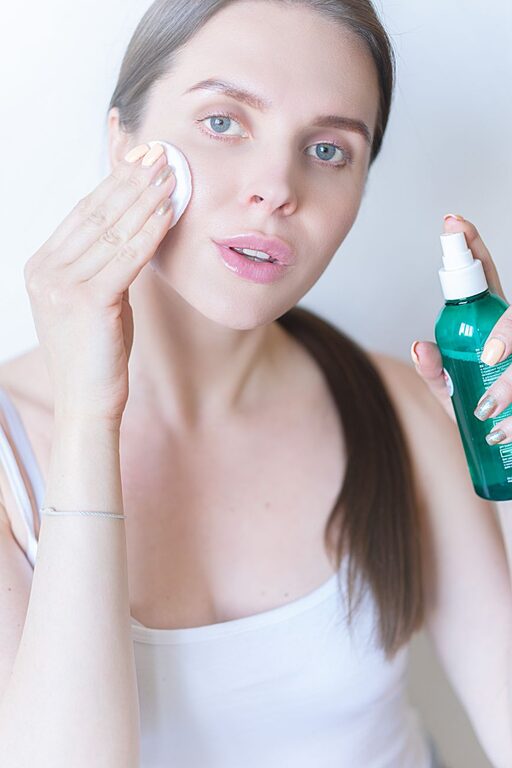
Starting a skincare routine can feel overwhelming with the countless products and advice out there. However, a basic skincare routine doesn’t have to be complicated or expensive. With just a few simple steps, you can care for your skin effectively, promoting a healthy, fresh look every day. This guide will walk you through creating a skincare routine that is easy to follow and adapts to your skin’s needs.
Why a Skincare Routine Matters
Your skin is your body’s largest organ and a protective barrier against the environment. Taking care of it helps prevent problems like dryness, irritation, and premature aging. A consistent routine helps maintain your skin’s natural balance and strengthens its resilience over time.
Step 1: Identify Your Skin Type
Before choosing products, it’s important to understand your skin type. This influences which ingredients and products will work best for you.
– Normal skin: Balanced, not too oily or dry, with few blemishes.
– Oily skin: Produces excess oil, may have shiny areas and larger pores.
– Dry skin: Feels tight or flaky, can appear dull.
– Combination skin: Oily in some areas (usually the T-zone) and dry in others.
– Sensitive skin: Easily irritated, prone to redness or reactions.
You can determine your skin type by observing how your skin feels a few hours after washing it without applying any products.
Step 2: Gather Basic Skincare Products
A basic skincare routine typically involves three key products:
- **Cleanser:** Removes dirt, oil, and impurities.
- **Moisturizer:** Hydrates and protects the skin barrier.
- **Sunscreen:** Shields skin from harmful UV rays during the day.
Optional additions include toners, exfoliants, and serums, but these are not necessary when starting out.
Step 3: How to Use Each Product
Cleanser
– Use a gentle cleanser suited to your skin type.
– Wash your face twice daily: once in the morning and once before bed.
– Use lukewarm water to avoid drying out the skin.
– Apply the cleanser with your fingertips and rinse thoroughly.
Moisturizer
– Choose a moisturizer that fits your skin type: lighter lotions for oily skin, richer creams for dry skin.
– Apply moisturizer while your skin is still slightly damp to lock in moisture.
– Use it after cleansing, both morning and night.
Sunscreen
– Apply sunscreen every morning, even on cloudy days.
– Use a broad-spectrum sunscreen with at least SPF 30.
– Reapply every two hours if you’re spending extended time outdoors.
Step 4: Additional Tips for Healthy Skin
– Stay hydrated: Drink plenty of water throughout the day.
– Get enough sleep: Aim for 7-9 hours per night to allow your skin to repair.
– Eat a balanced diet: Nutrient-rich foods support skin health.
– Avoid touching your face: This helps prevent the transfer of oils and bacteria.
– Be gentle: Avoid harsh scrubs and hot water which can irritate your skin.
Step 5: Be Patient and Consistent
Results won’t happen overnight. Most skincare products take several weeks to show their effects. Stick with your routine every day, and adjust products if you notice irritation or if your skin’s needs change over time.
When to See a Dermatologist
If you experience persistent skin concerns like acne, redness, or dryness despite a basic routine, consulting a dermatologist can provide personalized advice and treatments.
—
Starting a basic skincare routine is simple with the right approach. Focus on cleansing, moisturizing, and protecting your skin with sunscreen, and you’ll be on the path to healthier, glowing skin. Remember that consistency is key, and your skin will thank you for the care you provide!